Unhinged, absurd, sparks of genius
*****
A large one-story building has its roof ripped off by a crane, preparing, we assume, for demolition. The roof, detached from the brickwork, hangs and swings several metres above its former holdings. The woman sits nearby in a car, watching, inscrutable. She lingers, and is told to move on by one of the demolition team.It is her artist workshop. A relationship metaphor, that sets the scene, literally, for a clever, sometimes brilliant film that uses landscape, often beautiful, vast, and changeable, subject to moods and seasons, in all its bleakness, to examine a broken marriage.
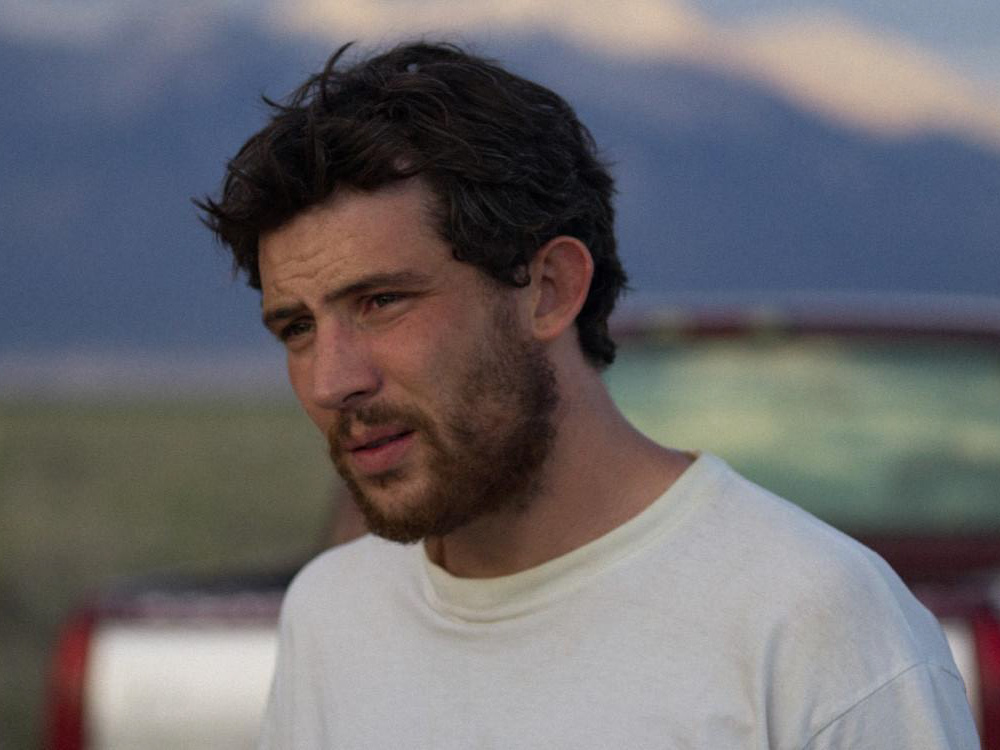
The husband, Magnus, is the outcast. Though he clearly still loves his wife Anna, the feeling is not reciprocated. In a rare departure from down-to-earth realism of dialogue, she soliloquizes late in the film that she would like to kill him.
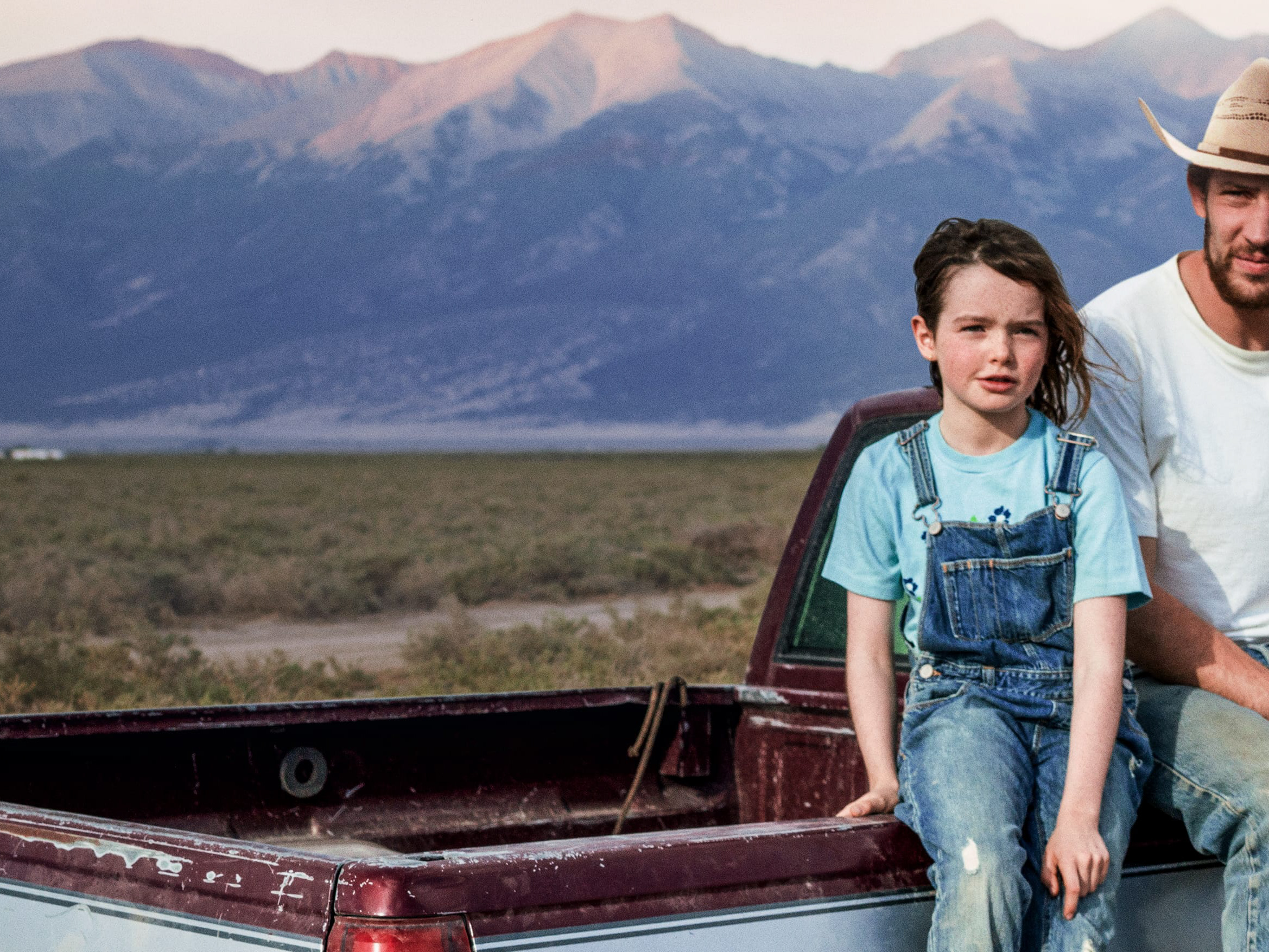
Magnus is a regular visitor to the family home, with its three adolescent children and pet dog. The marriage is over, but he cannot break away. He eats meals with them (mealtimes are a feature of this narrative), goes on outings, barbecues, picnics. But he does not share the marriage bed to which he longs to return.
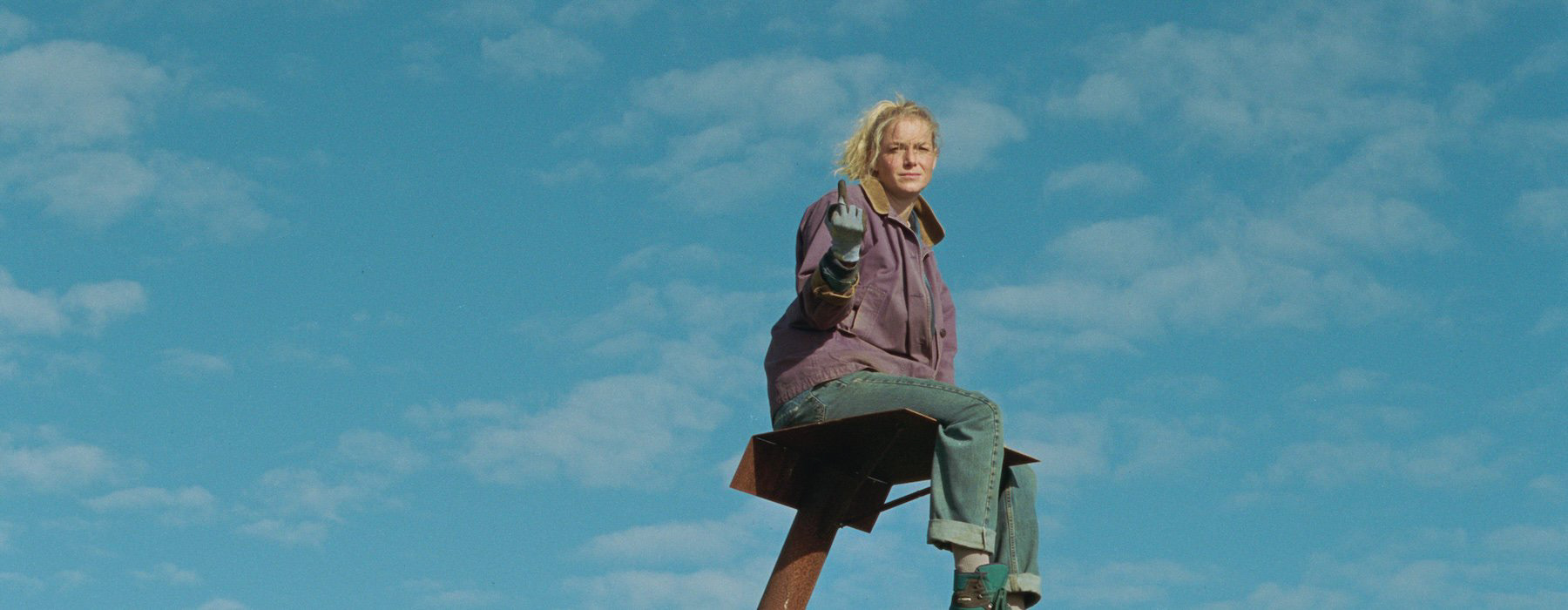
Magnus works in the fishing industry, as a trawlerman, catching vast quantities of herring. Anna is a frustrated artist, creative but unappreciated. Despite being unable to find a gallery that will display her work, she perseveres with her project to create conceptual art, large canvases covered with sheets of carefully shaped metal, exposed to the elements so that damp and rain will create impressions of rust on the white backcloths. Creativity from nature, in contrast to Magnus and his colleagues, plundering nature’s ocean.
Adult men don’t do well in this film. One, a Swedish gallery owner who has come to view Anna’s work, bores her with his egocentric mansplaining. Another, by phone calls, ham-fistedly makes crude, sexual passes at her.
The children of the marriage, two boys and an elder sister, phlegmatically plot their futures and discuss their parents’ failed relationship with wisdom and resignation. Their performances are, in all three cases, excellent. One of the best scenes in the film involves a one-sided argument, between the daughter and her father as she drives him to the port so that he can depart, again, on his trawler. He, having previously responded to a request from his wife, has brutally killed a cockerel that has been one of the family pets. The daughter berates him for destroying a creature that had served the family well; he is barely able to articulate a defence. The dispute is compelling, utterly convincing, fly-on-the-wall documentary.
Brutality and disaster sit precariously close to tenderness and love at many points. The daughter gently strokes a new born chick; the action cuts to chicken wings frying on a barbecue. The trawlermen discuss family in their mess-cabin at sea; cut to bomb disposal teams defusing WWII mines caught in trawler nets. The children construct a strange, scarecrow-like creature and fire arrows at its martyrish body. Bows, arrows and adolescents - a panic-stricken hospital rush is inevitable, matter-of fact, not melodrama.
And then the father, intruding into his house, stealthily at night, to the kitchen drawer, the biggest sharpest knife, behind his back, to find this breathing, chain-mailed, armoured scarecrow creature…
The audience has been prepared, increasingly, by surreal moments as Magnus’ psychological frustration deepens. The brilliance of this film hinges on the director’s ability to draw in the audience with an earthy, sometimes harsh, often tender reality, and to slip in absurd, surreal moments. We are in the real, isolated world of Icelandic countryside…then inside someone’s tormented mind. As the narrative progresses, the audience must struggle to separate documentary from surreal, real from nightmare.
The film has been labelled tragicomedy. It comes closest to comedy in a scene when Magnus is sleeping uncomfortably on a settee, tormented by the argument with his daughter. The attack of the giant rooster is theatre of the absurd, a bedfellow of tragicomedy. The screams are physical manifestations of prolonged and increasingly desperate mental torment – tragic beyond comic.
Then finally, Magnus, overboard, floating head up in red buoyancy suit, helpless, drifts towards land but is unable, or unwilling, to resolve his life. The final scene is an enduring image of an essentially good man, emotionally lost - one of many powerful images in this uncompromising film.