Browbeating, heavy leather, resurrection shuffle
*****
Resurrection is a film about film, cinema and dreaming. Director Bi Gan introduces the film in a brief appearance, explaining, Hitchcock style, what the opening sequence means, and how it relates to the audience and to the rest of the film.
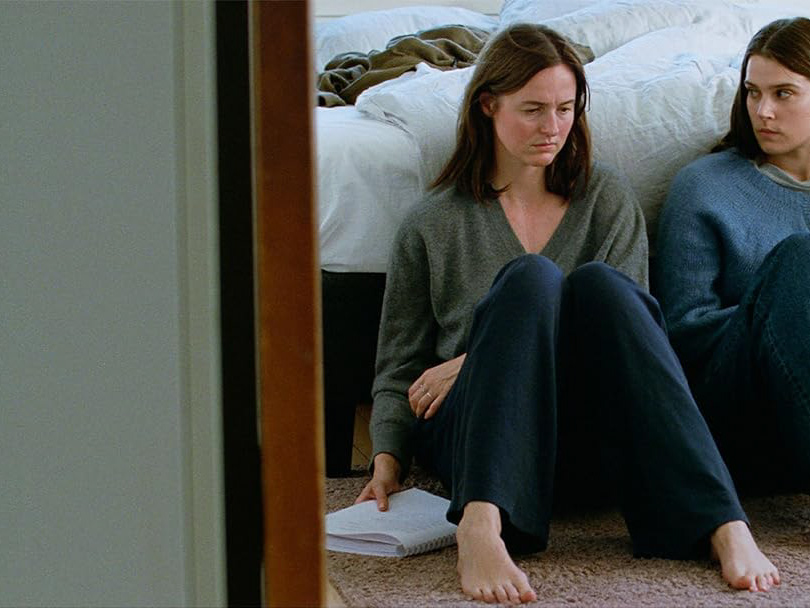
And so it begins. It’s a tough watch for those who want film to tell an easy story. The thread is difficult navigate. It meanders, stops and confuses. The six sections are, apparently, related to the six Buddha senses… but this is, frankly, a little pretentious. The narrative follows a woman who is herself following a Deliriat - viz: one who still uses his imagination, via the medium of film.
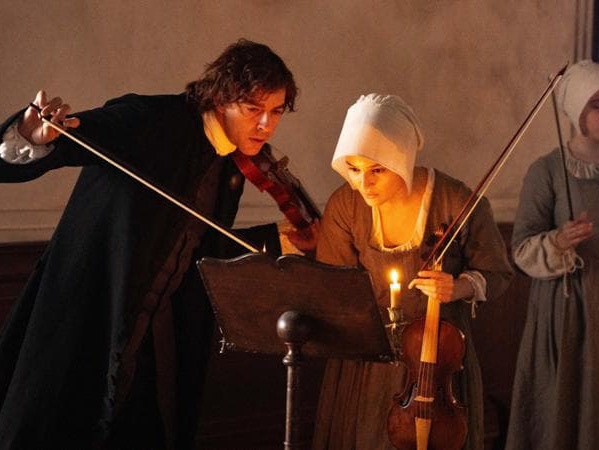
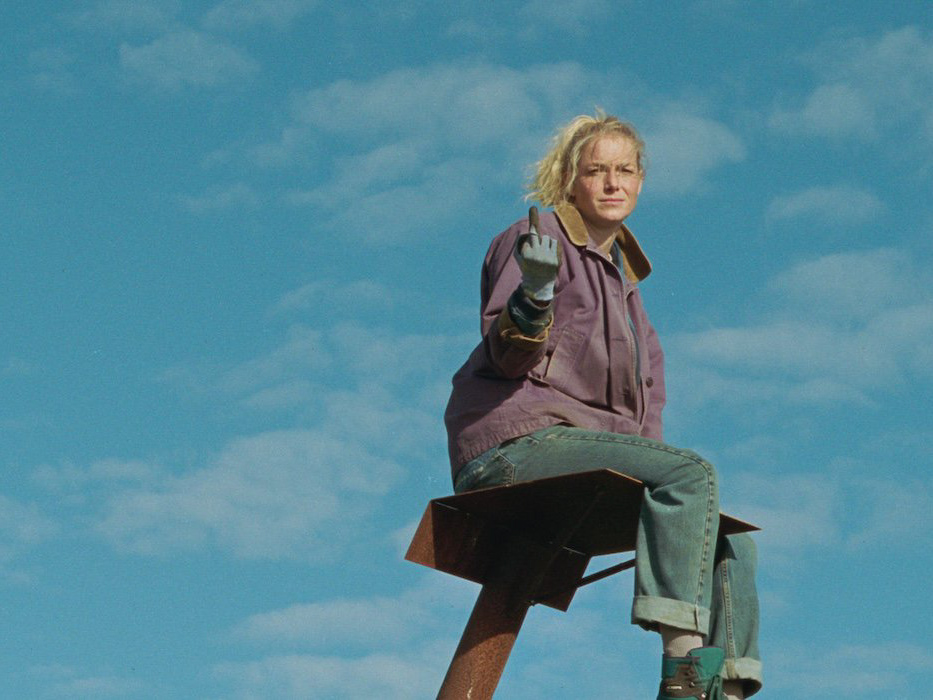
The quality of the Resurrection comes from the cinematography, the excellent homages to various genres and eras of film. Early cinema, the silent era, and especially the film noir element are very satisfying, in terms of style. There is something of Tarantino's obsessions here. The photography and use of imagery are also impressive features of this film. Like the imagist poets of the early 20th century, a well framed, lingering shot on a well chosen object focusses the mind, consciously or otherwise.
Science-fiction often has difficulty with presenting characters real enough to engage our emotion. Resurrection totters on the brink of this problem. Scenes of violence and torture have little emotional impact despite their powerful visual impact. The basic idea, that sometime in the future we have to live without dreaming in order to achieve a long life, is familiar sci-fi territory. Institutional repression of the human mind was the tenet of Orwell’s 1984, and many other stories before and since. Sci-fi repression as a metaphor for totalitarian-state suffocation is the stuff of Kafka. Here it is a highly accomplished young Chinese director referencing all he has learnt about Hollywood film history. Two of the world’s most powerful cultural strangleholds. Resurrection charts the ingenuity of imagination at odds with societal chains. Bi Gan clearly credits cinema with helping people to use and enjoy this power.
Some of the six segments work, as discrete stories, but Bi Gan’s intention, to create a unified meaning from the accumulation of these six Acts, is not fully realized. The Buddha motifs loosely stitch a garment that oddly fits in shape, sense and fashion.
The most successful sequence is the one with the most charming and engaging characters. A young girl helps a card sharp to win money. They succeed by trickery, it seems, until a scene in which her mystic sense of smell reveals an emotional truth to an elderly, bereaved parent. No trickery there, just poignancy, well delivered.
A later sequence involving a first kiss from the vampire-movie genre also benefits from convincing characterization and dialogue. Weaker segments seem disjointed and hollow, slaves to art-housery and its pretensions.
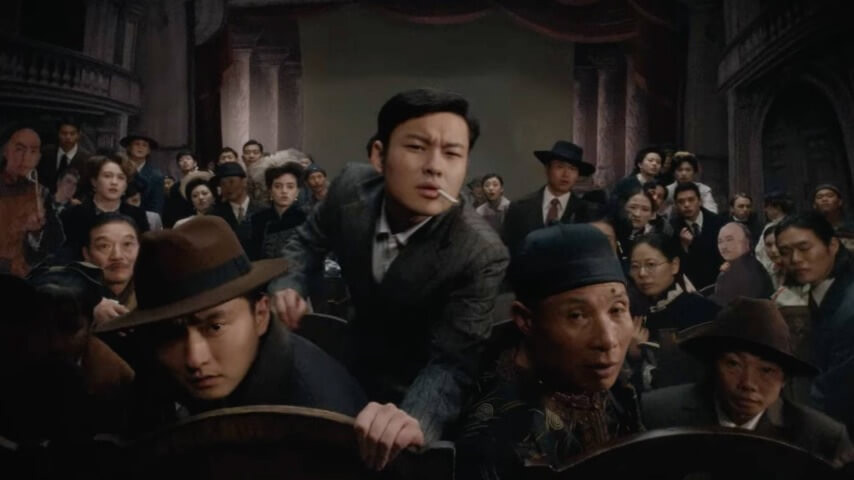
The circular nature of the narrative leads us to a conclusion in a packed cinema, where the audience gradually fades into silhouettes, and disappears, a metaphor for the dying of cinema globally, in the wake of cultural pastimes less demanding, less cerebral, less patient. It’s a sad message, but we know it’s happening. Those empty cinema seats are there before us… all around us.